Dido Harding and the Debate That Still Divides Britain
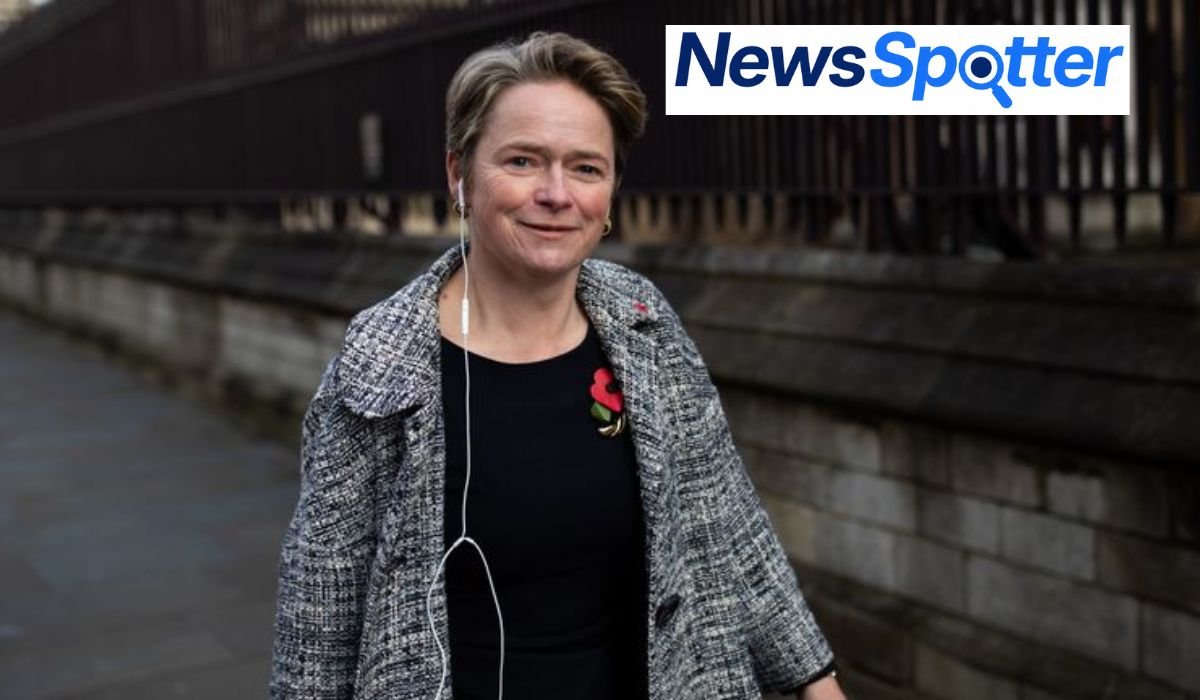
What happens when a business leader steps into the middle of a national crisis? Can one person carry the pressure of public expectations during a pandemic? These questions still follow Dido Harding years after her name dominated headlines across the United Kingdom.
Some people view Harding as a capable executive who accepted an impossible task during COVID-19. Others believe her leadership exposed deep flaws in the British public health system. Either way, her story continues to spark arguments in politics, media, and healthcare circles.
During the pandemic, her role became impossible to ignore. She led NHS Test and Trace at a time when millions of people depended on fast decisions, clear communication, and public trust. The pressure was enormous. So was the criticism.
For readers interested in British public affairs and political reporting, platforms like UKNewsFocus often explore the personalities and controversies shaping modern Britain.
Early Life and Education
Dido Harding was born Diana Mary Harding in 1967 into a family connected to politics and public service. She grew up in Dorset and later studied at Oxford University before earning an MBA from Harvard Business School.
Her education helped shape the confident management style she later carried into the corporate world. Friends and colleagues often described her as disciplined, direct, and highly ambitious.
Unlike many public figures, Harding did not begin her career in politics. Instead, she built her reputation inside major companies where results mattered more than public opinion.
Building a Career in Business
Before entering public healthcare, Harding worked in retail and telecommunications. She held senior roles at Tesco and Sainsbury’s before becoming chief executive of TalkTalk in 2010.
Her years at TalkTalk brought both praise and criticism. Supporters said she modernised the company and expanded its reach. Critics focused on the major cyberattack that affected customer data during her leadership.
Still, Harding remained a well-known figure in British business. Her ability to manage large organisations made her attractive to government officials seeking experienced leaders in moments of crisis.
That background later became central to the debate surrounding her appointment to NHS Test and Trace.
The NHS Test and Trace Appointment
In May 2020, the UK government appointed Harding to lead the new coronavirus testing and tracing programme. The project aimed to identify infected individuals, trace contacts, and slow the spread of COVID-19 across England.
At first, the appointment surprised many observers. Harding did not come from a medical background. She was known as a business executive and Conservative peer rather than a healthcare specialist.
The government defended the decision by arguing that the project required large-scale organisational leadership. Officials believed her corporate experience would help manage a system involving thousands of staff, contractors, and laboratories.
Yet public reaction quickly became divided.
Some argued that crisis management depends more on leadership skills than on medical training. Others believed healthcare professionals should have taken the lead instead.
That disagreement never fully disappeared.
Why the Criticism Became So Intense
As the pandemic continued, NHS Test and Trace faced mounting scrutiny. Critics questioned its cost efficiency and overall effectiveness. Reports highlighted delays, missed contacts, and heavy spending on consultants.
Harding defended the system publicly and insisted the country faced extraordinary circumstances during an unprecedented emergency. She argued that outside expertise was necessary to build a national operation at speed.
Still, many people remained unconvinced.
Political opponents accused the government of relying too heavily on private contractors. Media coverage often focused on connections between political figures and senior appointments. Harding’s position as a Conservative peer added fuel to that debate.
At the same time, defenders pointed out that no tracing system anywhere in the world operated perfectly during the early stages of COVID-19. The pandemic overwhelmed even experienced healthcare systems.
The truth probably sits somewhere between total failure and complete success.
Public Perception During the Pandemic
Few public officials escaped criticism during COVID-19. However, Harding became one of the most recognisable faces associated with Britain’s pandemic response.
That visibility came with consequences.
Television appearances, parliamentary hearings, and newspaper headlines placed her under constant pressure. Every technical issue, every delayed result, and every disappointing statistic quickly became political ammunition.
Interestingly, Harding herself occasionally became part of the test and Trace story. Reports revealed that both she and her husband received isolation alerts through the same system she managed.
For some people, this showed the system actually worked. For others, it highlighted confusion and inconsistency.
Public trust during a national emergency is fragile. Once confidence begins to fade, criticism tends to grow rapidly.
Leadership Style and Decision-Making
Harding’s supporters often describe her as calm under pressure. They say she accepted responsibility during one of the most chaotic periods in modern British history.
Her critics see something different. They argue that her leadership reflected a corporate mindset that did not fit public healthcare needs.
That contrast raises an important question. Should governments rely on private sector executives during national emergencies? Or should technical specialists always lead major public health operations?
The debate extends far beyond Harding herself.
Modern governments increasingly recruit leaders from the business, banking, and technology sectors. Supporters believe these individuals bring efficiency and fresh thinking. Opponents worry they may underestimate the human side of public services.
Harding’s career became a symbol of that larger argument.
Beyond Test and Trace
After leading NHS Test and Trace, Harding also became interim head of the agency that later evolved into the UK Health Security Agency.
Even after leaving frontline pandemic roles, her name continued to appear in political discussions. Some viewed her as unfairly blamed for broader government problems. Others argued accountability remained necessary because of the scale of spending involved.
Either way, her influence on Britain’s pandemic history is undeniable.
Today, discussions about pandemic planning, digital tracing systems, and emergency preparedness still reference the decisions made during Harding’s leadership.
Researchers and analysts continue studying contact tracing technology and government response strategies from that period.
Why Dido Harding Still Matters
Years after the peak of COVID-19, the name Dido Harding still triggers strong reactions. That alone says something important.
Public figures often fade from memory once a crisis ends. Harding did not.
Part of the reason lies in what she represented. She stood at the crossroads of politics, healthcare, technology, and corporate management during one of the most stressful periods Britain has faced in generations.
Her story also reflects how modern crises unfold in public view. Every announcement, every mistake, and every success now spreads instantly through news outlets and social media.
That environment leaves little room for quiet leadership.
For some observers, Harding became a convenient target during a frightening time. For others, she symbolised political favouritism and failed planning. Neither side seems ready to fully let go of the argument.
One thing remains clear, though. The conversations around accountability, leadership and public trust that emerged during her tenure are still relevant today.
If you want a deeper look into the controversy and wider political questions surrounding her role, you can also read Dido Harding and the Question No One Wants to Answer.











Post Comment