George Galloway: A Political Figure Britain Still Talks About
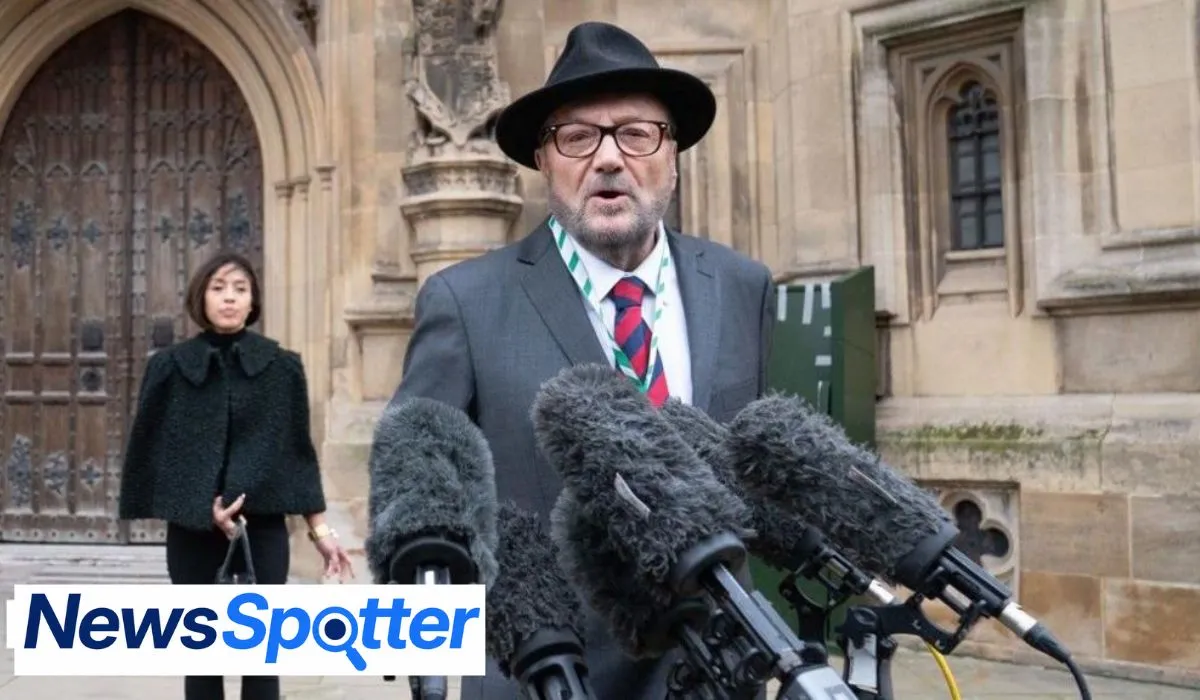
What keeps a politician in the public eye for decades? Are they bold opinions? Strong speeches? Or the ability to challenge powerful people without hesitation? When discussions turn toward outspoken figures in British politics, one name often appears quickly.
Some people admire his confidence and debating skills. Others strongly disagree with his political views. Yet even critics admit that George Galloway knows how to attract attention. Throughout his long career, he has remained one of the most recognisable voices in Britain.
From Parliament debates to television appearances, his journey has rarely been quiet. He has faced political battles, public criticism and dramatic moments in the media spotlight. Still, he continues to stay relevant in modern political conversations.
For readers who follow political news and public figures through platforms like NewsSpotter, George Galloway remains a fascinating personality to explore.
Growing Up in Scotland
George Galloway was born in Dundee, Scotland, in 1954. He came from a working-class background and became interested in politics while still young. Unlike many politicians who enter public life after elite education, Galloway built his reputation through activism and local involvement.
As a teenager, he already showed confidence in public speaking. He enjoyed debate and quickly became active in political campaigns connected to social justice and workers’ rights.
These early experiences shaped the style people now associate with him. He learnt to speak directly and passionately. Over time, that approach helped him stand out in British politics.
Entering Parliament
George Galloway entered Parliament in 1987 after winning the Glasgow Hillhead seat. His arrival immediately brought energy and strong opinions into political discussions.
While many politicians preferred careful language, Galloway often spoke with intensity and emotion. He challenged opponents openly and rarely softened his views to avoid controversy.
Because of this, newspapers and television programmes frequently focused on his speeches. Supporters praised him for saying what others avoided. Critics believed he enjoyed confrontation too much.
Either way, he became difficult to ignore.
During his early parliamentary years, he focused heavily on social inequality, international affairs and anti-war politics. Those themes would continue defining his public image for decades.
The Iraq War Changed Everything
One of the biggest moments in George Galloway’s career came during the Iraq War debate in the early 2000s.
At that time, the British government, led by Tony Blair, supported military action alongside the United States. Galloway strongly opposed the decision and openly criticised the war.
He argued that invading Iraq would create long-term instability and suffering. His speeches gained international attention because they directly challenged the British government during a tense political period.
However, his stance also caused serious problems inside the Labour Party. The disagreement eventually became so severe that Labour expelled him in 2003.
For many politicians, such a moment would have ended their careers. George Galloway instead turned the conflict into a new political beginning.
Building the Respect Party
After leaving Labour, Galloway helped create the Respect Party. The movement aimed to represent anti-war voters and people frustrated with mainstream politics.
At first, political experts doubted the new party could succeed. Yet Galloway once again surprised observers.
In 2005, he won the Bethnal Green and Bow seat in East London. The result shocked many analysts and proved he still had strong support among certain communities.
His campaign focused heavily on foreign policy community concerns and opposition to the Iraq War. At the same time, his confident speaking style attracted constant media coverage.
Although the Respect Party never became a major national force, it helped establish George Galloway as an independent political figure rather than simply a former Labour politician.
Television Fame and Public Attention
Politics was not the only reason George Galloway became famous. Over time, he also developed a strong presence on television and in the media.
He regularly appeared on news programmes where his interviews often became heated and memorable. Viewers quickly noticed his dramatic speaking style and sharp debating ability.
In 2006, he surprised many people by joining Celebrity Big Brother. It was an unusual decision for a politician with a serious public image.
One particular scene from the show later became widely discussed across British media and online culture. Even today, many people still remember it.
Some critics argued that the appearance damaged his credibility. Others believed it helped him connect with ordinary viewers outside traditional politics.
Regardless of opinion, the programme made him even more recognisable across Britain.
Why George Galloway Divides Opinion
Few political figures create stronger reactions than George Galloway. Part of the reason comes from his communication style.
He rarely avoids confrontation. Instead, he often moves directly into difficult debates and controversial subjects. During interviews, he speaks with confidence and emotion, which naturally creates strong audience reactions.
Supporters describe him as fearless and honest. They admire his willingness to challenge governments, media organisations and political elites.
Critics, however, accuse him of enjoying controversy and using dramatic language to stay in the headlines.
Still, even many opponents admit that he understands politics extremely well. He also knows how to keep audiences listening.
Returning to Political Power
Over the years, George Galloway experienced both political victories and defeats. Yet he repeatedly found ways to return to public attention.
One major comeback arrived in 2012 when he won the Bradford West by-election. Many political commentators did not expect him to succeed. However, his campaign connected strongly with frustrated voters looking for an alternative political voice.
Once again, he showed his ability to attract support outside traditional party structures.
Even after losing seats later in his career, he remained active by giving interviews and campaigning. Unlike many former politicians, he never fully disappeared from public discussion.
George Galloway in the Digital Age
Modern politics now depends heavily on online platforms and direct communication. George Galloway adapted quickly to this environment.
Through social media and digital broadcasting, he continued sharing opinions on international events, British politics and media coverage. This allowed him to speak directly to supporters without relying entirely on traditional newspapers or television networks.
Online politics, however, can also increase division and criticism. Public figures often face immediate reactions from both supporters and opponents.
George Galloway appears comfortable in that environment because controversy has followed him throughout most of his career.
Whether people agree with him or not, they often continue paying attention to what he says next.
Strong Views on International Affairs
Foreign policy has always played a major role in George Galloway’s political identity. He frequently discusses conflicts in the Middle East, global power structures and Western foreign policy decisions.
Because these topics are highly sensitive, his comments sometimes create serious debate and criticism. Opponents have accused him of taking controversial positions or defending problematic governments.
Meanwhile, supporters argue that he simply challenges dominant political narratives and asks difficult questions that others avoid.
This divide has remained part of his public image for decades. It also explains why discussions about George Galloway rarely remain calm for long.
A Political Career Full of Headlines
Very few politicians manage to stay in the headlines across several generations. George Galloway has achieved that through strong communication skills and an unusual political journey.
He has moved between parliamentary television activism and broadcasting while continuing to attract media attention. Some moments boosted his reputation while others damaged it. Yet he consistently remained part of the public conversation.
His career reflects the changing nature of British politics, where personality and media presence can become just as important as party loyalty.
At the same time, his story shows how political figures can survive major setbacks if they maintain a loyal audience.
What George Galloway’s Career Teaches Us
There are several lessons people can take from George Galloway’s political journey.
First communication matters. His speeches, interviews and debates helped build a public image that people remember even years later.
Second, strong opinions always carry risks. Political independence can attract loyal supporters, but it can also create criticism and isolation.
Finally, persistence matters in public life. Despite party disputes, election losses and media controversies, George Galloway repeatedly returned to political discussion.
That ability to remain visible for decades is rare in modern politics.
Final Thoughts
Love him or dislike him, George Galloway has left a major mark on British political culture. His career has included dramatic victories, heated arguments, television moments and endless public debate.
In an era where many politicians carefully avoid controversy, George Galloway built his reputation by doing the opposite. He challenged opponents directly and rarely stepped away from difficult conversations.
Some people view him as a fearless political campaigner. Others see him as one of Britain’s most divisive public figures. Still, there is little doubt that his influence on political debate remains significant.
After decades in the spotlight, George Galloway continues to spark discussion across Britain and beyond.









Post Comment