CVA Auctions: A Smarter Way to Buy and Sell Vehicles
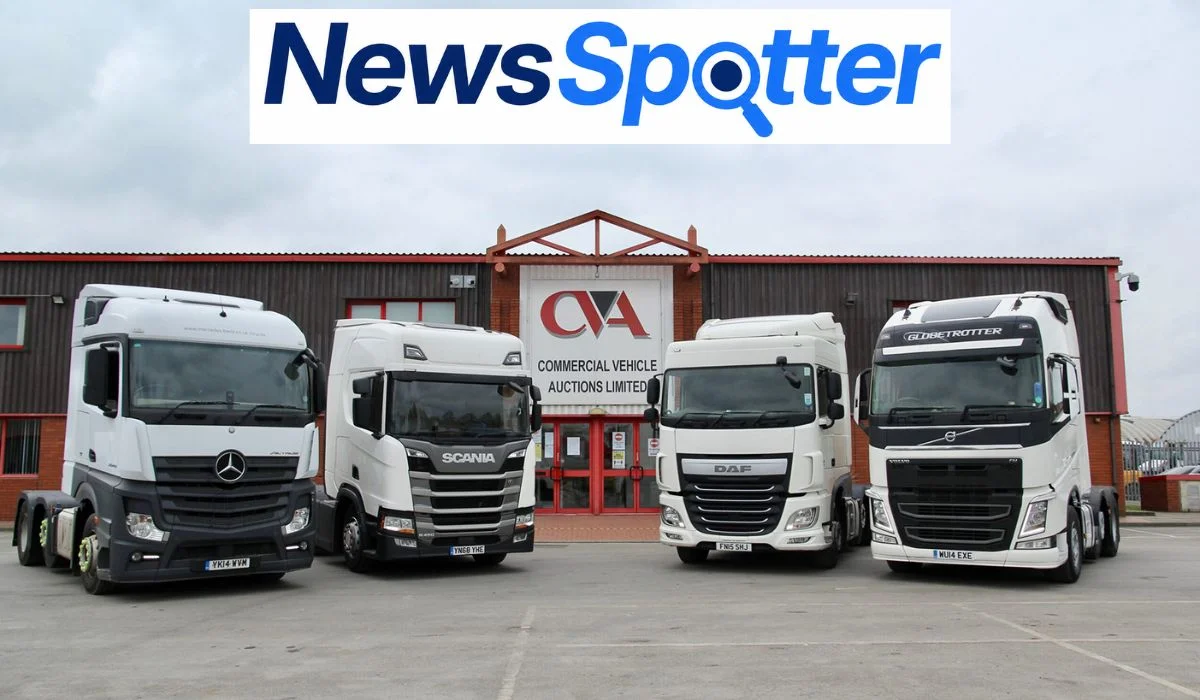
Have you ever wondered where dealers find rows of used cars at competitive prices? Or maybe you have asked yourself how businesses quickly sell fleets of vehicles without wasting months on private listings. The answer often leads to one place: CVA auctions.
Vehicle auctions have changed the way people buy and sell cars. They move fast. They attract buyers from different industries. They also create opportunities for people who know how the system works. Yet many drivers still know very little about them. Why are CVA auctions becoming more popular? Who uses them? And are they really worth your attention?
In this guide, you will learn how CVA auctions work and why they matter in the modern automotive world. You will also discover the different auction types and the major players in the American car auction market. For more automotive and business updates, you can also explore NewsSpotter for fresh industry insights.
Understanding CVA Auctions
CVA auctions are organised vehicle sales where buyers compete to purchase cars, trucks, vans, or commercial vehicles. The process is simple. Sellers place vehicles into the auction. Buyers then bid against each other until the highest offer wins.
These auctions often focus on used vehicles. However, some events may also feature damaged cars, repossessions, fleet vehicles, or even luxury automobiles. Because of this variety, buyers can find options that match almost any budget.
The atmosphere at a vehicle auction feels very different from a traditional dealership. Deals happen quickly. Bidding can become intense. Buyers need confidence and preparation if they want to succeed.
What Does CVA Stand For?
The term CVA usually stands for Commercial Vehicle Auctions. In many cases, it refers to auction businesses that specialise in commercial fleets and used transport vehicles. These companies help sellers move stock quickly while giving buyers access to competitive prices.
Commercial vehicle auctions are especially important for businesses that rotate their fleets every few years. Delivery companies, rental services, and logistics firms often use these auctions to clear older vehicles and make room for new models.
How CVA Auctions Work
The process starts when a seller registers a vehicle with the auction company. The auction house inspects the vehicle and lists details such as mileage, condition, and service history.
Next, the vehicle enters the bidding stage. Buyers can participate in person or online, depending on the platform. Once bidding closes, the highest bidder wins the vehicle.
Payment and transfer procedures usually happen within a short period. Some auctions also provide transportation services for buyers who purchase vehicles from another region.
Many modern CVA auctions now operate digitally. Online bidding has opened the market to a wider audience and made the process more convenient than ever before.
Why Buyers Choose CVA Auctions
Many people turn to CVA auctions because they want better value. Auction prices can often fall below dealership rates, especially for used commercial vehicles.
Buyers also enjoy the wide selection. Instead of visiting several dealerships, they can browse hundreds of vehicles in one place. This saves time and increases the chances of finding the right option.
Another advantage involves transparency. Most auction listings provide detailed reports and condition notes. Buyers can review important information before placing bids.
At the same time, auctions reward knowledge. Experienced buyers know how to evaluate vehicles quickly and avoid emotional bidding. This creates opportunities for smart purchases.
Why Sellers Use CVA Auctions
Sellers benefit because auctions move inventory fast. Instead of waiting weeks for private buyers, they can sell multiple vehicles during a single event.
Fleet operators especially appreciate this speed. Businesses often need efficient ways to replace vehicles without disrupting operations.
Auctions also attract serious buyers. Since participants register in advance, sellers deal with people who are ready to purchase.
In addition, auction houses handle much of the marketing and administration. This reduces stress for sellers and simplifies the process.
The 4 Types of Auctions
Auction systems may look similar at first glance. However, each format works differently and creates unique strategies for buyers and sellers.
English Auctions
This is the most common auction style. Bidders openly compete by raising their offers. The highest bid wins once no one offers more.
Most car auctions follow this format because it creates excitement and encourages competitive pricing.
Dutch Auctions
In a Dutch auction, the price starts high and gradually drops until someone accepts it. This format moves quickly and works well for fast sales.
Sealed Bid Auctions
Participants submit private bids without seeing competitors’ offers. The auctioneer opens all bids later and selects the highest one.
This approach reduces emotional bidding and keeps the process more controlled.
Reserve Auctions
A reserve auction includes a minimum acceptable price. If bidding does not reach that amount, the seller can refuse the sale.
Many sellers use reserve auctions to protect the value of expensive vehicles.
Who Typically Uses CVA Auctions?
CVA auctions attract a wide range of buyers and sellers. Dealerships are among the biggest participants because they constantly search for inventory.
Fleet companies also rely heavily on auctions. Delivery services, construction firms, and transport operators regularly update their vehicle fleets through these events.
Independent traders often attend auctions to find profitable resale opportunities. Some buyers even purchase vehicles for personal use because they hope to save money.
Banks, finance companies, and leasing businesses also use auctions to sell repossessed or returned vehicles quickly.
Online CVA Auctions Are Growing Fast
The automotive auction world has changed dramatically over the last decade. Digital platforms now allow buyers to participate from almost anywhere.
This shift has created a more competitive market. Buyers no longer need to travel long distances to access quality inventory.
Online systems also provide extra convenience. Many platforms offer live video bidding, condition reports, and instant payment tools.
Still, online bidding requires discipline. Without seeing the vehicle in person, buyers must rely on inspection reports and auction descriptions.
Tips for First-Time Auction Buyers
New buyers should always research vehicles before bidding. Knowing market prices helps prevent overpaying.
It also helps to set a firm budget before the auction starts. Fast bidding can create pressure and emotional decisions.
Inspecting the vehicle whenever possible is another smart move. Even detailed reports may not reveal every issue.
Buyers should also understand auction fees. Some people focus only on the final bid and forget about additional costs.
Patience matters too. Missing one deal is better than making a costly mistake.
The Biggest Car Auctions in the US
The United States hosts some of the largest vehicle auctions in the world. These companies handle millions of vehicles every year.
Manheim
Manheim is widely considered the largest wholesale vehicle auction company in the United States. It serves dealerships, fleet operators, and commercial sellers across many locations.
Copart
Copart specialises in salvage and insurance vehicles. Buyers from around the world use its online platform to purchase damaged and repairable cars.
IAA
IAA focuses heavily on salvage vehicle auctions and works closely with insurance companies.
Mecum Auctions
Mecum Auctions is famous for collector and classic cars. Enthusiasts often follow its events closely because rare vehicles appear there regularly.
Barrett-Jackson
Barrett-Jackson has built a strong reputation in the luxury and collector car market. Its televised auctions attract global attention.
Challenges of CVA Auctions
Although auctions offer advantages, they also carry risks. Vehicles may have hidden mechanical issues. Some cars come with limited history information.
Competition can also drive prices higher than expected. Inexperienced buyers sometimes overbid because of excitement.
Transport and paperwork may create extra costs, too. Buyers should calculate the full expense before committing.
Despite these challenges, prepared buyers often find excellent opportunities.
The Future of CVA Auctions
Technology continues to reshape the auction industry. Artificial intelligence vehicle reports and digital bidding tools are improving the experience for buyers and sellers alike.
Electric vehicles may also influence future auctions. As more EVs enter the used market, auction companies will adapt their inspection and valuation systems.
Global participation is another growing trend. Buyers can now purchase vehicles from auctions located thousands of miles away.
This wider reach means the industry will likely become even more competitive in the coming years.
Final Thoughts
CVA auctions have become a major force in the automotive market. They offer speed, convenience, and access to a huge variety of vehicles. Buyers can discover competitive deals while sellers can move inventory quickly.
Still, success depends on preparation. Understanding auction formats, researching vehicles, and setting clear budgets all make a difference.
Whether you are a dealer, fleet operator, or private buyer, CVA auctions can open the door to valuable opportunities. If you want more updates on automotive trends, business insights, and auction news, visit NewsSpotter to stay informed.
FAQs
What is a CVA auction?
A CVA auction is a vehicle auction system that focuses mainly on commercial and used vehicles. Buyers place bids, and the highest bidder usually wins the vehicle.
What are the 4 types of auctions?
The four common auction types are English auctions, Dutch auctions, sealed-bid auctions, and reserve auctions.
Who typically uses CVA auctions?
Dealerships, fleet companies, independent traders, banks, leasing firms, and private buyers commonly use CVA auctions.
What are the biggest car auctions in the US?
Some of the largest car auction companies in the United States include Manheim, Copart, and IAA.
What does CVA stand for?
CVA usually stands for Commercial Vehicle Auctions.














Post Comment