Rachel Cunliffe: The Journalist Shaping Modern Political Conversation
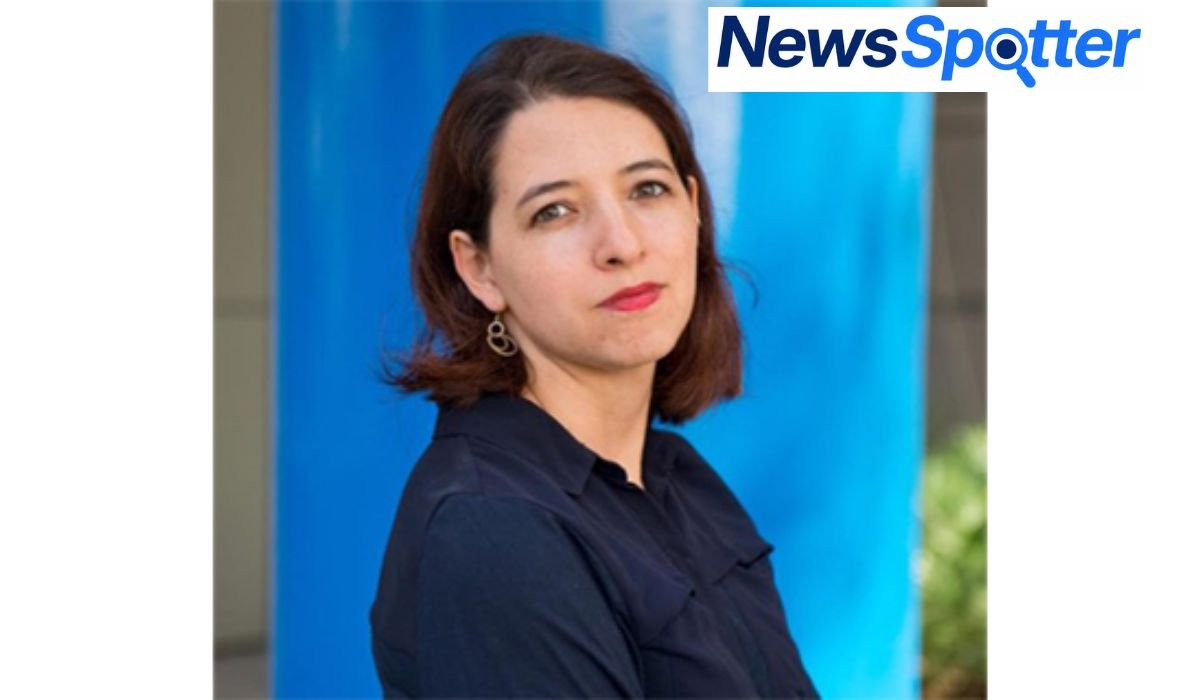
What makes a political journalist stand out today? Is it sharp analysis or the ability to explain difficult issues only? For many readers in Britain, the answer often points toward Rachel Cunliffe. She has become a familiar voice in political journalism through her thoughtful reporting and calm approach to public debate.
In a media world filled with loud opinions, Rachel Cunliffe offers something different. She focuses on facts. She asks difficult questions. She also explains political stories in a way that everyday readers can understand. That balance has helped her gain respect across the journalism industry.
People searching for more updates about journalists and political commentators often visit NewsSpotter to follow current media trends and public affairs coverage.
Early Life and Background
Rachel Cunliffe built her career through hard work and strong academic foundations. While she keeps much of her private life away from the spotlight, many readers remain curious about her upbringing and education.
Her surname also catches attention. The name ‘Cunliffe’ has deep historical roots connected to northern England. Historians believe it came from Lancashire, where families with the name lived centuries ago. Over time, the surname spread across Britain and later reached Ireland and other parts of the world.
Rachel’s thoughtful communication style reflects someone who values research and careful observation. That quality became one of her greatest strengths as she entered journalism.
Rachel Cunliffe’s Rise in Journalism
Many journalists begin with small reporting roles before moving into national media. Rachel Cunliffe followed a similar path. She worked across political reporting and opinion writing while building a reputation for balanced commentary.
Her reporting style stands out because she avoids unnecessary drama. Instead, she focuses on clarity and context. Readers appreciate this especially during times of political uncertainty when headlines can feel overwhelming.
She later became widely recognised through her work with major British publications. Her articles often explore government policy, elections, social issues and public opinion. She also appears on television and radio programmes where she discusses current political developments.
What makes her different from many modern commentators? She explains political issues without sounding distant or overly academic. That human approach keeps audiences engaged.
A Trusted Voice in British Politics
Political journalism can be intense. Public figures face criticism every day, and reporters often work under pressure. Yet Rachel Cunliffe has managed to maintain a calm and professional image.
Her interviews usually focus on substance rather than spectacle. She asks direct questions while still allowing guests to explain their positions. That balance has helped her earn credibility among viewers and readers.
Another reason people follow her work is her ability to connect political events to everyday life. Many journalists discuss policy in technical language. Rachel often translates those ideas into practical examples that make sense to ordinary people.
This communication style matters more than ever today. Audiences want information they can trust. They also want journalists who can explain why political decisions affect jobs, housing, healthcare and education.
Writing Style and Public Appeal
One reason Rachel Cunliffe continues to attract attention is her writing style. It feels intelligent yet approachable. She avoids overly dramatic language and instead relies on logic and evidence.
Readers often describe her work as balanced. Even when discussing controversial issues, she focuses on analysis rather than emotional reactions. That approach has become increasingly valuable in modern journalism.
Rachel Cunliffe and the Discipline of Good Commentary
Her public appeal also comes from authenticity. She presents herself as informed and professional while remaining relatable. This combination helps audiences feel connected to her work.
Social media has also increased her visibility. Many people discover her commentary online before reading her full articles or watching television appearances. Short clips and political discussions have helped expand her audience beyond traditional newspaper readers.
Why Rachel Cunliffe Matters Today
Modern politics changes quickly. News cycles move fast, and public opinion shifts every day. Journalists who can explain these changes clearly become extremely important.
Rachel Cunliffe plays that role for many readers across Britain. She breaks down complex political stories into understandable discussions. That skill helps people stay informed without feeling lost in technical details.
Her work also highlights the importance of responsible journalism. In an era where misinformation spreads rapidly, trusted reporters become essential. Rachel’s reputation for careful analysis gives audiences confidence in her reporting.
Young journalists also look toward figures like her for inspiration. She represents a style of journalism built on preparation, research and thoughtful communication rather than sensational headlines.
The Challenges of Political Journalism
Being a political journalist is not easy. Every article and interview faces public scrutiny. Reporters must work with speed while still maintaining accuracy.
Rachel Cunliffe operates in an environment where social media reactions can become intense within minutes. Political topics often divide audiences, and journalists sometimes face criticism from multiple sides at once.
Despite these pressures, she continues to approach stories with professionalism. That consistency has strengthened her standing in the industry.
Another challenge comes from changing media habits. Traditional newspapers now compete with online platforms, podcasts and social media channels. Journalists must adapt constantly to reach modern audiences. Rachel has successfully navigated this changing landscape by combining traditional reporting skills with digital communication.
Educational Background and Academic Interests
Many readers ask about Rachel Cunliffe’s educational history because of her analytical style. While detailed personal information is limited publicly, she is known for having a strong academic background that supported her journalism career.
Her reporting often demonstrates careful research and structured thinking. Those qualities suggest solid training in writing analysis and political understanding.
Education plays a major role in journalism because reporters must evaluate information quickly and accurately. Rachel’s career reflects those skills clearly through her interviews and political commentary.
Influence on Modern Media
The media industry has changed dramatically over the last decade. Audiences no longer rely only on newspapers or television broadcasts. They consume information through websites, podcasts, social platforms and video clips.
Rachel Cunliffe has adapted well to this new environment. Her commentary reaches people across multiple platforms, which helps her connect with broader audiences.
She also represents a new generation of journalists who combine traditional reporting values with modern communication tools. This balance allows her to remain relevant in a rapidly changing industry.
Readers interested in media analysis, political updates and journalist profiles often explore platforms like NewsSpotter for additional insights and trending stories.
Public Curiosity Around Rachel Cunliffe
Why are so many people interested in Rachel Cunliffe? Part of the reason comes from visibility. Political journalists often become public figures because they appear regularly on television and in online discussions.
Another reason is trust. Audiences value journalists who explain issues fairly and clearly. Rachel has developed that reputation through years of consistent work.
People also admire journalists who remain composed during difficult conversations. Political debates can become heated quickly, yet she usually maintains a calm and measured tone. That professionalism strengthens her credibility.
FAQs
What is Rachel Cunliffe’s educational background?
Rachel Cunliffe is known for having a strong academic foundation that supports her work in political journalism and analysis. While detailed personal educational records are not widely publicised, her writing reflects extensive knowledge of politics, media and public affairs.
Where does the name Cunliffe originate?
The surname Cunliffe originates from Lancashire in northern England. Historians connect the name to old English geographic locations and family settlements from centuries ago.
How old is Rachel?
Rachel Cunliffe’s exact age is not always publicly confirmed in media sources. She maintains a relatively private personal life despite her public journalism career.
Is Cunliffe an Irish name?
Cunliffe is primarily an English surname with roots in Lancashire. However, the name later spread to Ireland and other countries through migration and family movement over time.
Does Rachel have a degree?
Rachel Cunliffe is widely believed to have completed higher education based on her professional journalism background and analytical expertise, though detailed academic records are not publicly highlighted.
Final Thoughts
Rachel Cunliffe has earned respect through intelligence, professionalism and clear communication. In a fast-moving media environment, she continues to stand out as a thoughtful political voice.
Her work reminds audiences that journalism still matters. Accurate reporting, thoughtful analysis and respectful discussion remain essential in modern society. As political conversations continue to evolve, journalists like Rachel Cunliffe will likely remain important figures in helping the public understand the world around them.













Post Comment