Queen Elizabeth Hospital Birmingham: A Modern Hospital with a Remarkable Reputation
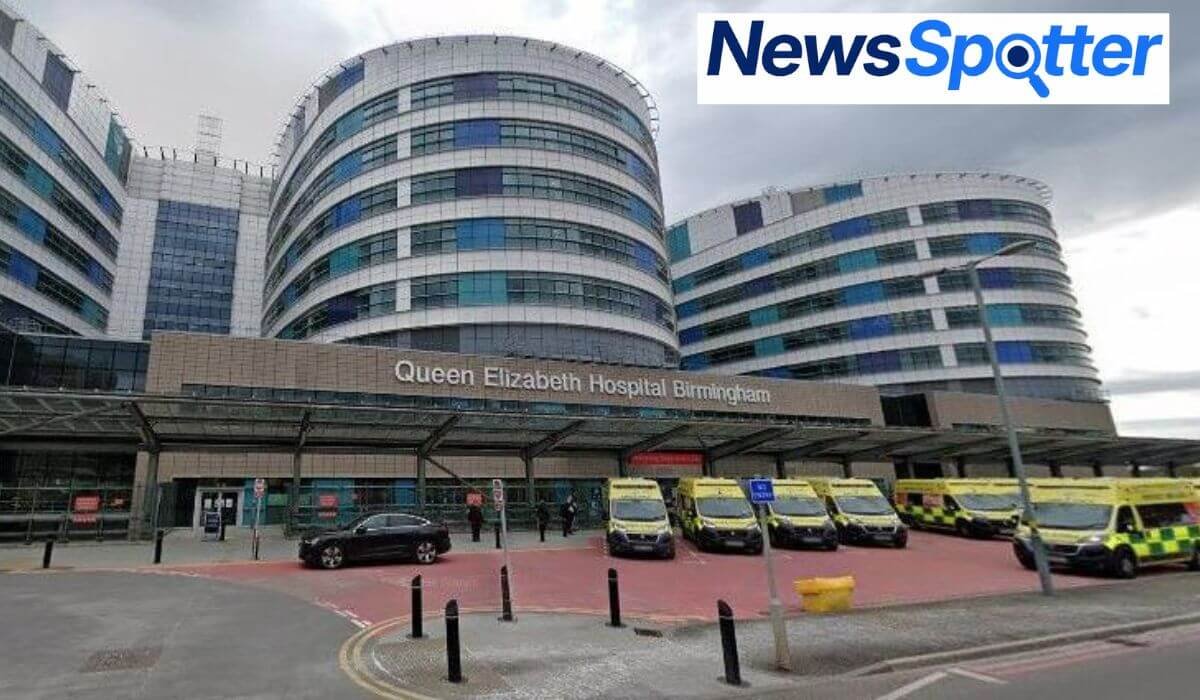
Have you ever wondered what makes a hospital truly exceptional? Is it the advanced technology? The skilled doctors? Or perhaps the way patients feel cared for during difficult moments? In Birmingham, one hospital often stands out in conversations about healthcare excellence. That hospital is Queen Elizabeth Hospital Birmingham.
Located in the Edgbaston area near the University of Birmingham, this major NHS hospital has earned a strong reputation across the United Kingdom. From specialist treatments to emergency care, it serves thousands of people every year. Yet there is far more to this hospital than statistics and medical equipment.
In this article, we will explore the history of the hospital, its specialist services and the reasons why many people consider it one of the leading hospitals in the country.
A Hospital Built for Modern Healthcare
Healthcare has changed dramatically over the years. Patients now expect faster treatment, modern facilities and expert care under one roof. That is exactly what Queen Elizabeth Hospital Birmingham was designed to provide.
Opened in 2010, the hospital became one of the largest single-site hospitals in the United Kingdom. It has 1,215 beds and offers tertiary care, which means it handles highly specialised treatments for complex conditions. The building itself is modern, spacious and carefully planned to support both patients and medical staff.
According to healthcare discussions featured on NewsSpotter, many people see the hospital as a symbol of how healthcare facilities can combine innovation with compassionate care.
The hospital also works closely with the University of Birmingham. As a result, medical students, researchers and healthcare professionals often collaborate on studies and advanced treatments. This connection helps the hospital stay at the forefront of medical progress.
The Importance of Its Location
Location matters when it comes to healthcare. Queen Elizabeth Hospital Birmingham sits in Edgbaston, which is one of Birmingham’s well-known areas. It is easy to access from different parts of the city and nearby regions.
Patients benefit from excellent transport links, while families can travel conveniently to visit loved ones. In addition, the hospital’s proximity to the University of Birmingham strengthens research partnerships and medical education opportunities.
The surrounding area also includes healthcare centres, research facilities and educational institutions. Together, these organisations create an environment focused on improving patient care and advancing medicine.
Specialist Services That Make a Difference
One reason the hospital receives so much attention is its range of specialist services. The hospital treats some of the most serious and complex medical conditions in the country.
It is especially recognised for:
Trauma and Emergency Care
The emergency department operates 24 hours a day and handles critical emergencies from across the region. Doctors and nurses are trained to respond quickly to severe injuries, life-threatening illnesses and major accidents.
The hospital also has one of the busiest trauma centres in the UK. This means patients with serious injuries can receive immediate expert treatment without needing transfers between multiple facilities.
Cancer Treatment
Cancer care at Queen Elizabeth Hospital, Birmingham, is highly respected. Specialists use advanced diagnostic tools and modern therapies to create personalised treatment plans for patients.
The hospital works with leading researchers to improve cancer treatments and explore new medical breakthroughs. Consequently, patients often have access to innovative therapies and clinical trials.
Organ Transplant Services
The hospital is known internationally for organ transplantation. It performs liver, kidney and pancreas transplants while supporting patients throughout every stage of recovery.
Transplant medicine requires incredible precision and teamwork. Therefore, hospitals with successful transplant programmes are often viewed as leaders in specialist healthcare.
Military Medicine
An interesting feature of Queen Elizabeth Hospital Birmingham is its role in military healthcare. The hospital has treated injured British military personnel for many years.
This partnership with military medical services has helped the hospital gain expertise in trauma care, rehabilitation, and complex surgical procedures. Many staff members have experience dealing with highly challenging injuries.
A Strong Focus on Research and Innovation
Modern hospitals do more than treat illness. They also search for better ways to improve healthcare. Queen Elizabeth Hospital Birmingham plays a major role in medical research across the UK.
Researchers at the hospital study diseases, treatments and healthcare technologies. Their work helps doctors understand conditions more clearly and develop more effective therapies.
The partnership with the University of Birmingham supports this research culture. Students and academics often work alongside hospital staff to explore medical advancements that may shape future healthcare practices.
Innovation also appears in the hospital’s equipment and facilities. Advanced imaging systems, robotic surgical tools, and specialised treatment units allow doctors to deliver precise care for complex conditions.
The Patient Experience Matters
Large hospitals can sometimes feel overwhelming. However, Queen Elizabeth Hospital Birmingham has made efforts to improve the patient experience.
The hospital includes modern waiting areas, comfortable wards and support services for families. Staff members understand that emotional support is just as important as medical treatment.
Patients often speak positively about the professionalism and kindness shown by nurses, doctors and support workers. Even during stressful situations, clear communication can make a huge difference.
Moreover, volunteers and community groups help patients feel more comfortable during hospital visits. Small gestures such as guidance around the hospital or friendly conversations can reduce anxiety for patients and visitors alike.
Why Do People Rate the Hospital So Highly?
Many people ask whether Queen Elizabeth Hospital Birmingham is one of the best hospitals in the UK. While rankings can vary, there are several reasons why the hospital consistently earns respect.
First, the hospital offers a wide range of specialist services in one location. This allows patients to receive coordinated care without travelling between multiple hospitals.
Second, the hospital has strong links to education and research. As medicine continues to evolve, hospitals connected to universities often adapt more quickly to new treatments and technologies.
Third, the hospital has developed expertise in trauma medicine, transplantation and critical care. These areas require highly trained professionals and advanced facilities.
Finally, patient care remains central to the hospital’s mission. Technology and research are important, but compassionate treatment still matters most to patients and families.
Why Is It Called Queen Elizabeth Hospital?
Many people wonder about the origin of the hospital’s name. Queen Elizabeth Hospital Birmingham was named in honour of Queen Elizabeth, the Queen Mother. The name reflects the long tradition of royal associations with healthcare institutions in the United Kingdom.
Hospitals named after members of the royal family often symbolise public service dedication and national importance. In this case, the name also highlights the hospital’s respected position within the NHS system.
Is It the Largest Hospital in Birmingham?
Queen Elizabeth Hospital Birmingham is widely considered one of the largest hospitals in Birmingham and among the biggest in the UK. With more than 1,200 beds, it handles an enormous number of patients every year.
The hospital’s scale allows it to provide specialist services that smaller hospitals may not be able to support. At the same time, managing such a large institution requires strong leadership, careful planning, and continuous investment.
The Future of Queen Elizabeth Hospital Birmingham

Healthcare never stands still. Hospitals must constantly adapt to growing populations, changing diseases and new technologies. Queen Elizabeth Hospital Birmingham continues to evolve in response to these challenges.
Future developments may include expanded research projects, improved digital healthcare systems and further advances in personalised medicine. The hospital is also likely to remain an important training centre for future doctors, nurses and healthcare specialists.
Public expectations around healthcare are also changing. Patients now value transparency, communication and convenience more than ever before. Therefore, hospitals that combine medical excellence with patient-focused care are likely to lead the way in future healthcare delivery.
For readers interested in healthcare developments, public service news websites such as NewsSpotter often feature stories and discussions related to hospitals and medical innovation.
Final Thoughts
Queen Elizabeth Hospital Birmingham is far more than a large medical building. It represents modern healthcare innovation, specialist expertise and dedicated patient care. From emergency medicine to organ transplantation, the hospital continues to play a vital role in the lives of countless people.
Its partnership with the University of Birmingham strengthens research and education, while its commitment to compassionate care helps patients feel supported during difficult times.
So what truly makes a hospital great? Perhaps the answer lies in a combination of skill innovation and humanity. Queen Elizabeth Hospital Birmingham appears to bring all three together in a way that continues to shape healthcare in the United Kingdom.














Post Comment